The arrival of third molars, colloquially known as wisdom teeth, is one of the most significant yet often problematic phases of human dental development. For many, this event is characterized by a search for answers: “What does wisdom teeth pain feel like?” or “Where can I find wisdom teeth pulling near me?” At Dental Wisdom, we serve as your clinical partners, bridging the gap between painful symptoms and long-term oral health. Our practice is founded on the principle of “human-centric” care, where managing the best dental anxiety is as important as the clinical procedure itself.
I. The Evolutionary Biology of the Third Molar
To understand why wisdom teeth cause such significant issues in the 21st century, we must look back at human evolution. Thousands of years ago, our ancestors consumed a diet that was significantly more abrasive than our modern soft-food diet. This included raw plants, fibrous roots, and tough meats that required intense masticatory force.
This diet resulted in significant “interproximal wear,” meaning the teeth would actually wear down on the sides, creating more space in the jaw. Over time, as human diets became softer and brain sizes increased—causing a reshaping of the skull—our jaws became smaller. Today, the third molar often finds itself with no physical room to erupt. This lack of space leads to impaction, which can exert pressure on the entire dental arch, potentially damaging neighboring teeth to the point of requiring root canal treatment.
II. Clinical Symptomatology: Identifying the Source of Discomfort
One of the biggest challenges for patients is distinguishing between general jaw tension and actual wisdom teeth complications. At Wisdom Dental Clinic, we categorize the symptoms into four primary clinical stages.
1. The Prodomal Phase: Dull Pressure
In the early stages, the pain is not localized to a single tooth. Instead, patients describe a generalized “heaviness” in the posterior mandible. This pressure is the result of the tooth root beginning to push against the mandibular nerve or the adjacent second molar.
2. The Inflammatory Phase: Pericoronitis
When the tooth crown breaks through the gum tissue but cannot fully emerge, a small pocket of tissue called an operculum forms. This is a breeding ground for anaerobic bacteria.
-
What it feels like: Swollen, red gums that are tender to the touch.
-
Secondary signs: Halitosis (bad breath) and a metallic taste in the mouth due to localized infection.
3. The Referred Pain Phase
Because the nerves in the jaw are interconnected, wisdom teeth pain often “refers” to other parts of the head. It is common for patients to visit an ear, nose, and throat (ENT) specialist for earaches, only to find the culprit is an impacted molar at Dental Wisdom.
4. The Structural Shift Phase
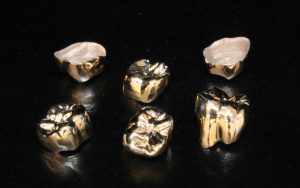
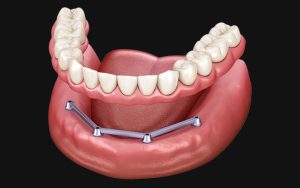
If left untreated, the “mesial drift” (forward pushing) of wisdom teeth can cause the front incisors to overlap. If this crowding leads to decay or tooth loss in later years, restorative solutions such as dental implants may become necessary to restore the patient’s bite and facial structure.
III. At-Home Mitigation: What Helps with Wisdom Teeth Pain?
While we always recommend a professional consultation, we understand that patients need immediate relief. Here is how to help with wisdom teeth pain safely before your appointment at Wisdom Dental Clinic:
1. Saline Irrigation Protocols
Hypertonic saline rinses (warm water with a high salt concentration) create an osmotic environment that draws fluid out of inflamed tissues, reducing swelling and cleaning the pericoronal pocket.
2. Cryotherapy (Cold Therapy)
For acute, throbbing pain, an ice pack applied to the external cheek is the most effective non-pharmacological intervention. It induces vasoconstriction, which limits the inflammatory response and provides a natural numbing effect.
3. Essential Oils: The Role of Eugenol
Clove oil, containing the active compound eugenol, has been used in dentistry for centuries. When applied carefully with a cotton swab, it acts as a topical anesthetic. However, it should be used sparingly to avoid irritating the surrounding soft tissues.
IV. The Path to Extraction: Surgical Excellence at Dental Wisdom
When home remedies are no longer sufficient, surgical intervention is the definitive solution. Searching for wisdom teeth pulling near me should lead you to a facility that prioritizes technology and patient comfort.
Diagnostic Imaging
We utilize 3D CBCT scans to visualize the relationship between the tooth roots and the inferior alveolar nerve. This minimizes the risk of post-operative paresthesia (numbness) and ensures a smoother extraction.
The Extraction Procedure
At Wisdom Dental Clinic, the procedure is typically performed under local anesthesia or intravenous sedation. The process involves:
-
Incision: A small opening is made in the gingiva.
-
Sectioning: The tooth is often divided into smaller segments to preserve the surrounding bone.
-
Debridement: The socket is cleaned of any infected tissue or debris.
The Recovery Journey
Following the procedure, the patient enters a critical hour window. We provide detailed instructions on preventing “dry socket” (the loss of the protective blood clot). Once the site is fully healed, many of our patients choose to celebrate their recovery by undergoing teeth whitening to give their healthy smile a bright, new look.
V. Global Health Alignment and Safety
We take our role as healthcare providers seriously. Wisdom Dental Clinic aligns its surgical and sterilization protocols with the World Health Organization standards. This ensures that every instrument is autoclaved and every procedure is performed in a sterile field, reducing the risk of post-operative infection to near zero.
VI. Long-Term Outcomes: The “Wisdom Dental” Difference
Choosing the right team for your oral surgery is about more than just the extraction; it’s about the long-term health of your mouth. An untreated impacted tooth can lead to:
-
Dentigerous Cysts: Which can hollow out the jawbone.
-
Resorption: Where the body’s immune system begins to “eat away” at the roots of healthy adjacent teeth.
By addressing these issues early at Dental Wisdom, you are protecting your smile for decades to come.
VII. Summary FAQ for Patients
-
Is it ever okay to keep wisdom teeth? Only if they are fully erupted, functional, painless, and easy to clean.
-
How much time should I take off work? Most patients require 2-3 days of rest, though this varies by the complexity of the extraction.
-
What should I eat? Soft foods only—yogurt, smoothies (no straws!), and lukewarm soups.
Conclusion: Reclaiming Your Comfort
Wisdom teeth shouldn’t be a source of constant anxiety or pain. By understanding the symptoms and seeking professional care at Wisdom Dental Clinic, you can navigate this transition with confidence. Whether you need a simple consultation or an urgent extraction, our team is equipped with the tools and the heart to help you heal.